Our Top Picks
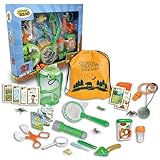
Perfect for kids who are ready for serious exploration! The 27-piece Ultimate Bug Hunter Kit grows with your child from age 5 through their early teens, making it a gift that keeps teaching year after

National Geographic's reputation for quality science education shines here. This kit transforms casual backyard time into genuine learning moments where your child develops real observational skills a

The gentlest entry point for younger explorers and sensitive kids. The Bug Bungalow's thoughtful design lets even toddlers safely observe insects, building confidence and wonder without pressure or fr
Kids who spend regular time outdoors have measurably better focus, lower stress levels, and stronger observational skills than those who don't—and a bug catcher bag is the tool that actually gets them outside looking *at* something instead of through a screen. It transforms a backyard into a research station. Your child starts noticing things you'd walk past every day: the different colors of beetles, how ants work together, why some butterflies land on certain flowers. They're not just collecting bugs—they're building a real understanding of how ecosystems work.
Skip the cheap mesh bags that fall apart after two uses. A quality bug catcher bag has reinforced seams, clear viewing panels so kids can observe without constantly opening it, and a design that doesn't trap or harm the insects. The best part isn't the toy itself—it's watching your kid kneel down in the grass, genuinely absorbed in what they've found, asking actual questions about why that caterpillar looks like that or where the ladybug goes at night. Those aren't forced learning moments. They're the kind of curiosity that sticks.
Age Recommendations
Ages 3-4: Introduce your little one to the wonderful world of insects with the Bug Bungalow. At this age, children love the thrill of the hunt and the magic of seeing living creatures up close. Keep sessions short and playful, with you doing most of the catching while they observe and ask questions.
Ages 5-7: This is the perfect sweet spot for bug catching! Kids develop the coordination to handle basic tools and the focus to actually observe what they've caught. Both the National Geographic Kit and Ultimate Bug Hunter Adventure Kit work beautifully here. Your child can catch independently while you supervise, turning backyard time into real exploration and learning.
Ages 8+: Older kids are ready to become genuine junior naturalists. They can use comprehensive kits with confidence, identify insects on their own, and understand concepts like habitats and life cycles. This age group often becomes passionate about entomology — bug catching can spark lifelong interests in science and conservation.
Our Recommended Products

Ultimate Bug Hunter Adventure Kit
Nature Bound Ultimate Bug Hunter Kit is a thrilling gateway into the fascinating world of insects for our little explorers! With this 27-piece set, kids can safely catch, observe, and learn about the critters that share our environment. The hands-on experience encourages curiosity, promotes fine motor skills, and enhances observational abilities—all while inspiring a love for nature. Plus, the included colorful guide makes it easy to engage our young learners in identifying their new bug buddies!
Ultimate Bug Hunter Adventure Kit includes 27 pieces that transform our little ones into mini entomologists, turning backyard adventures into hands-on science lessons that spark curiosity.

Explore Nature with the Bug Catcher Kit!
National Geographic Bug Catcher Kit for Kids transforms outdoor exploration into an adventure of learning and discovery! As fellow parents, we know the joy of watching our little ones engage with nature, and this kit encourages that curiosity while teaching essential skills like observation and critical thinking. With tools like tweezers, a net, and two magnifying glasses, children can safely catch, study, and learn about bugs in their natural habitat. It's not just play; it’s a gateway to understanding ecosystems and fostering a love for science!
Explore Nature with the Bug Catcher Kit! includes tweezers and magnifying glasses, making outdoor learning a hands-on science adventure that sparks curiosity and discovery in our little explorers.

Bug Bungalow: Explore Nature Together!
Bug Bungalow Insect Catching Kit is the perfect gateway for our little explorers to dive into the wonderful world of nature! With its double-mesh ventilation panels, kids can safely observe bugs up close before gently releasing them back into their habitats. This engaging outdoor playset enhances observation skills and fosters a love for learning about different insects, all while instilling confidence through hands-on exploration. Whether in the backyard or on a family camping trip, this kit makes discovering the outdoors a thrilling adventure for curious minds aged 3 and up!
Bug Bungalow features double-mesh ventilation panels for safely observing insects up close, making nature exploration an exciting hands-on learning experience that ignites curiosity and confidence.
Educational Value
Bug catching is genuine scientific thinking in action. Your child observes, compares, and asks questions: *Why is this bug different? Where does it live? What does it eat?* These are the foundations of critical thinking and scientific inquiry—much more powerful than memorizing facts from a book.
Beyond science, these tools build fine motor skills (handling tiny creatures with care), patience, and environmental awareness. Kids learn that insects matter. They develop empathy for other living things and begin understanding ecosystems. And perhaps most importantly, they experience the joy of hands-on discovery. That *aha!* moment when they spot an unusual bug or figure out what it is? That's real learning happening—the kind that sticks because they *wanted* to know.