Our Top Picks

A wonderful first introduction to spatial learning. The colorful wooden blocks feel substantial in little hands and naturally invite exploration without overwhelming young learners with too many piece

Perfect for toddlers who are ready to build with intention. Wooden blocks teach balance and cause-and-effect while encouraging collaborative play—great for siblings or playdates.
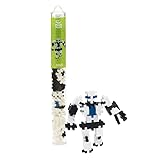
Ideal for kindergarteners ready for more complex challenges. These 3D puzzles spark that magical moment when kids realize they can create something recognizable and impressive all by themselves.
Pattern blocks work differently than most shape toys because kids actually build something they want to look at again. Instead of matching shapes to holes or following a predetermined pattern card, your child arranges these wooden pieces however they see fit—then sees what they've created. A triangle becomes part of a bigger triangle. Hexagons snap together into flowers. The pieces physically show how math works before your kid even knows what math is.
What makes this category stick around is that it doesn't get boring. A two-year-old explores how the shapes feel and fit. By four, they're recreating patterns from picture cards. By six, they're inventing their own designs and asking why a smaller triangle fits exactly into the bigger one. You don't need to teach them anything—the blocks do that naturally. Skip the flimsy plastic versions; the solid wooden sets actually feel nice to handle and last through multiple kids. Your child will build something, show you, then immediately disassemble it to build something else. That's hours of quiet, focused play. That's worth having around.
Age Recommendations
Ages 2-3: Start with larger wooden blocks in basic shapes and bright colors. At this stage, your child is learning through exploration and imitation. They'll enjoy watching you build and may copy simple actions. Keep it playful and pressure-free.
Ages 3-4: Beginner pattern blocks become engaging now. Your child can follow simple visual patterns and loves the satisfaction of completing a design. Choose sets with clear picture cards and a manageable number of pieces—20-30 is perfect, not overwhelming.
Ages 5+: More complex 3D puzzles and larger sets become appropriate. Children this age can work through multi-step challenges, follow detailed instructions, and enjoy the pride of creating something sophisticated. They're ready for that wonderful I did it!
moment.
Our Recommended Products

Beginner Wooden Pattern Blocks Fun
The Melissa & Doug Beginner Wooden Pattern Blocks Educational Toy is a fantastic first manipulative for our little learners aged 3 and up. With 30 vibrant geometric shapes and 5 double-sided scene boards, this toy not only ignites creativity but also enhances critical skills like spatial awareness and problem-solving. Watching our preschoolers connect each piece to form stunning pictures or invent their own designs is truly rewarding. It's the perfect blend of hands-on, screen-free play that makes our children's imaginations soar!
Beginner Wooden Pattern Blocks Fun features 30 vibrant geometric shapes that turn imaginative designs into a playful lesson in creativity and problem-solving—minus any screen time!

Creative Fun with Wooden Building Blocks
The Melissa & Doug Wooden Building Block Set instantly invites young builders into a world of creativity and exploration. Designed for beginners, this 200-block set features four vibrant colors and nine engaging shapes, perfect for sparking imaginations and enhancing fine motor skills. As children stack, balance, and arrange these blocks, they're not just having fun; they're also developing spatial awareness, problem-solving abilities, and collaboration skills. Parents and educators will appreciate this invaluable tool that encourages open-ended play and nurtures a love for learning.
Creative Fun with Wooden Building Blocks includes 200 colorful pieces that inspire open-ended play, turning playtime into a hands-on discovery of engineering and imagination.

Unleash Creativity with Plus Plus 3D Puzzles!
Plus Plus 3D Puzzle Stem Figure Building Block Kit is a fantastic way to ignite your child's imagination while honing essential skills. With 70 colorful interlocking pieces, this kit allows kids to dive into the world of robotics and 3D design, promoting creativity, logic, and fine motor skills through hands-on play. We love how the easy-to-follow instructions make it accessible even for beginner builders, empowering our little ones to create and explore. Best of all, this compact toy is perfect for travel, ensuring that fun and learning can happen anywhere!
Plus Plus 3D Puzzles come with 70 colorful interlocking pieces that let kids build and explore, fostering creativity while keeping travel fun and easy.
Educational Value
Pattern blocks build spatial reasoning—the ability to visualize how shapes fit and move in space—which becomes the foundation for later math, engineering, and even reading skills. As your child rotates pieces and tries different arrangements, they're strengthening fine motor control and hand-eye coordination without it feeling like work.
Beyond the physical skills, pattern blocks are natural problem-solvers-in-training. Your child learns to think ahead ("Will this shape work here?"), test ideas, and adjust when something doesn't fit. They recognize colors, identify shapes, and discover patterns—all the building blocks of logical thinking. Plus, there's built-in creativity: every arrangement is unique, so your child stays engaged longer and feels genuinely proud of what they've created. This kind of self-directed learning is where real confidence grows.