

Entomology Kits for Kids: Bugs, Science & Discovery

Our Top Picks

1Discover Real Insects with National Geographic!
Discover Real Insects with National Geographic!

A wonderful gift for kids ready to think like real scientists. Digging up actual insect specimens makes entomology feel like a genuine archaeological adventure, turning curiosity into lasting memories

2Explore Nature with Insect Lore Bug Viewer
Explore Nature with Insect Lore Bug Viewer

Perfect for younger bug enthusiasts who love observing without harming. This viewer transforms backyard exploration into focused discovery, teaching respect for insects while developing keen observati

3Explore Nature with Insect LEGO Models
Explore Nature with Insect LEGO Models

Ideal for creative builders who want to understand insect anatomy. Building detailed LEGO models bridges hands-on play with scientific learning, making this perfect for kids who learn through making.

There's a moment that happens outdoors—when a child suddenly stops, points at something moving in the grass, and asks, "What IS that?" That's the spark. That's curiosity in its purest form, and it's exactly where real learning begins.

Insect kits are one of the best ways to nurture that spark. They transform a casual backyard visit into genuine scientific exploration. Whether your child is catching bugs with a net, watching caterpillars transform into butterflies, or carefully observing a beetle through a bug viewer, they're doing real science—the kind that sticks because it's thrilling.

As grandparents and parents, you know the difference between a toy that entertains and one that truly engages a child's mind. Insect kits do both. They get kids outside, away from screens, and deeply focused on the natural world around them. They build patience, observation skills, and a genuine respect for the tiny creatures we often overlook. The best part? These are memories your child will carry into adulthood—the day they first raised butterflies, or the afternoon they discovered an entire ecosystem in their own backyard.

Age Recommendations

Ages 3-5: Start with simple observation tools like bug viewers and binoculars. At this age, your little explorer is developing the ability to focus and notice details. These tools let them safely observe insects up close without intimidation, building confidence and wonder about the natural world.

Ages 6-7: Your child is ready for slightly more involved activities. Bug viewers still delight, but now they can follow simple instructions and understand basic insect facts. This is a wonderful age for introducing nature observation as a regular activity.

Ages 8+: Dig kits and building projects become fascinating. Your child now has the patience and curiosity to investigate, classify, and think critically about what they discover. They're ready to understand more complex concepts about insect habitats and behaviors.

Our Recommended Products

#1

Discover Real Insects with National Geographic!

Our Rating:
Ages: 8+ years

NATIONAL GEOGRAPHIC Real Bug Dig Kit invites our little explorers into the world of entomology! As they dig up three incredible insect specimens—a spider, fortune beetle, and scorpion—children will develop hands-on scientific skills and a fascination for nature. This kit comes with a full-color learning guide, turning every dig into an educational adventure where kids learn and retain knowledge about intricate arthropods. Perfect for homeschoolers or any kid curious about bugs, this activity cultivates critical thinking and creates unforgettable memories together!

Develops: hands-on scientific skills critical thinking curiosity nature exploration entomology teamwork
Why We Love It

Discover Real Insects with National Geographic! includes a full-color learning guide, turning every dig into an engaging adventure that inspires a love for nature and bugs.

#2

Explore Nature with Insect Lore Bug Viewer

Our Rating:
Ages: 4+ years

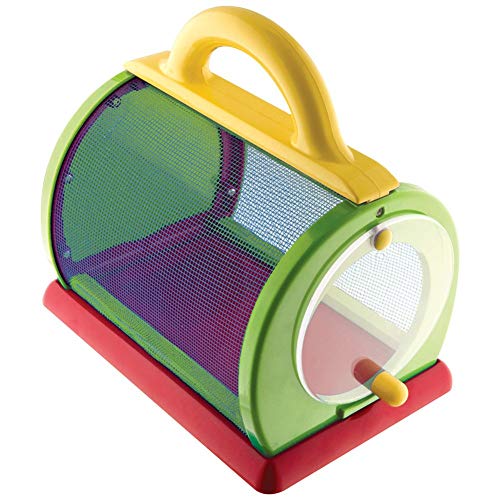
Insect Lore Bug Viewer And Case transforms curious little minds into budding entomologists! This ingenious bug-friendly tool allows children to safely observe insects up close, providing 3x magnification for a truly detailed view. With escape-proof design and periscope capabilities, kids can easily explore the fascinating world of ladybugs, crickets, and worms from both above and below. It’s an excellent addition to any science kit, sparking a love for science while enhancing critical observation skills and encouraging outdoor exploration.

Why We Love It

Explore Nature with Insect Lore Bug Viewer features 3x magnification, allowing kids to safely examine insects up close while developing a genuine love for the wonders of nature.

#3

Bug Explorers: Nature's Classroom

Our Rating:
Ages: 3+ years

The Educational Insights GeoSafari Jr. Bugnoculars are a fantastic way to spark your child's curiosity about the natural world, encouraging outdoor exploration and hands-on learning. Designed for ages 3 and up, these bug-catching binoculars not only enable kids to observe insects safely but also nurture their budding interest in science and entomology, enhancing skills like observation, classification, and critical thinking. Parents and educators will love how this engaging tool encourages self-discovery and a deeper appreciation for nature.

Develops: observation classification critical thinking curiosity outdoor exploration
Why We Love It

Bug Explorers: Nature's Classroom features bug-catching binoculars that turn every backyard into a science lab, encouraging kids to dive into the wonders of nature and express their inner little scientist.

#4

Explore Nature with the Bug Viewer!

Our Rating:
Ages: 4+ years

Educational Insights GeoSafari Jr. Bug Viewer is the perfect gateway for little ones to dive into the amazing world of bugs! With its crystal-clear 3" design, children can get up close and personal with their outdoor discoveries, fostering curiosity and encouraging scientific exploration. The built-in magnifying lenses and measuring grid spark a serious interest in entomology, making learning both fun and engaging. Plus, our free GeoSafari activities developed by teachers keep the excitement alive long after the bugs have been released back into nature!

Develops: curiosity scientific exploration observation skills fine motor skills critical thinking
Why We Love It

Explore Nature with the Bug Viewer! offers a crystal-clear 3" design that brings the fascinating world of bugs right to little hands, igniting curiosity and scientific adventure.

#5

Explore Nature with Insect LEGO Models

Our Rating:
Ages: 8+ years

LEGO Ideas The Insect Collection allows kids to dive into the fascinating world of bugs through hands-on building and exploration. This set not only enhances fine motor skills and spatial awareness as they create life-size models of a Blue Morpho butterfly, Hercules beetle, and Chinese mantis but also fosters a love for nature and inspires curiosity about biodiversity. Perfect for sparking discussions on ecosystems, entomology, and environmental stewardship, this collection makes learning about insects a fun and immersive experience.

Why We Love It

Explore Nature with Insect LEGO Models helps kids build life-size insect models while igniting a passion for nature and biodiversity through hands-on creativity.

Educational Value

When children explore insects through hands-on kits, they're naturally developing critical scientific thinking. They learn to observe closely, ask questions, and notice patterns—skills that transfer directly to reading, math, and problem-solving.

Watching a caterpillar become a butterfly teaches metamorphosis in a way no textbook can match. Using a bug catcher builds fine motor skills and coordination. Creating habitats for critters develops responsibility and patience. And when kids share what they've discovered with family, they're building confidence and communication skills.

These aren't separate learning outcomes—they're all happening simultaneously through play. Your child isn't "doing science" in a forced way; they're genuinely curious about the world, and that curiosity is the engine that drives all meaningful learning.

Frequently Asked Questions

What age is best to start with insect kits?
You can start as young as age 3 with simple observation tools like bug viewers and binoculars—these develop observation skills without complexity. Around age 8, kids are ready for dig kits and building projects that require more focus and patience. The best age really depends on your child's personality. If they already love catching bugs or asking questions about nature, they're probably ready. Start with observation-based activities, then progress to more hands-on exploration as they grow.
Are these kits safe for my child?
Yes, quality insect kits are designed with safety in mind. Viewers and binoculars simply let kids observe without direct contact. Dig kits contain ethically preserved specimens in sealed environments. Building kits use safe materials sized for little hands. Always check the age recommendation on your specific kit—it reflects both safety and the skills needed to use it properly. Supervise younger children, especially during the first few activities, to ensure they understand how to handle the materials gently.
How do I choose between a bug viewer and a dig kit?
Think about your child's learning style. Bug viewers are perfect if your child loves observing live creatures in their natural habitat—great for the curious watcher. Dig kits appeal to kids who love discovery and hands-on investigation—they get to unearth and identify specimens. Viewers encourage outdoor exploration and patience, while dig kits bring the thrill of uncovering something new indoors. You might even consider getting both—they complement each other beautifully and keep interest high throughout the year.
Will my child really learn science from these kits?
Absolutely. These aren't just novelties—they're gateways to genuine scientific thinking. Kids learn observation skills, classification, hypothesis testing, and critical thinking naturally through play. They'll discover how insects live, adapt, and interact with their environment. The hands-on nature makes learning stick in ways textbooks simply can't match. You'll be amazed at the questions they ask and the connections they make. That's real learning—driven by their own curiosity.
Can we use these kits year-round?
Definitely! Bug viewers work best in warmer months when insects are active, though you can observe in fall and spring too. Dig kits and building projects work indoors anytime, making them perfect for winter exploration. Consider rotating activities with the seasons—outdoor bug hunting in summer, indoor dig kits in winter. This keeps the excitement fresh and teaches kids that there's always something to explore in nature, regardless of the weather.

Related Collections