Our Top Picks

Perfect starter set for curious 3-year-olds who are just discovering magnetic play. The 60-piece Neon set grows with your child, offering endless building possibilities as their confidence and imagina

A grandparent favorite! The Backyard Adventure set transforms outdoor imagination into STEM learning. Your grandchild will create everything from treehouses to creatures, blending real-world explorati
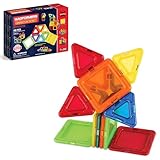
The Window Plus set is wonderful for kids who love seeing their creations come to life. The transparent pieces add a magical dimension that keeps children engaged for hours while naturally developing

The 50-piece Amazing Construction set strikes the perfect balance between manageable and expansive. It's ideal for children ready for more complex projects without being overwhelming, building real en
Magnetic building toys might look simple, but they're actually powerful learning tools disguised as fun. Watch your child snap together colorful shapes and suddenly they're experimenting with geometry, balance, and spatial relationships—all without realizing they're learning.
Magformers let kids build in three dimensions, which is something flat building blocks simply can't do. Your grandchild might start by copying a picture on the box, but soon they're inventing their own creations—a tower that actually stands, a shape they've never seen before, a structure that makes them say, "Look what I made!" Those moments matter. They're the moments when children discover they can think, create, and solve problems on their own.
Whether you're looking for a gift that grows with your child or something that keeps them quietly engaged on a rainy afternoon, Magformers offer that sweet spot: genuinely fun to play with, and genuinely building skills that matter for their future.
Age Recommendations
Ages 3-4: Start with smaller sets like the Rainbow 14-piece or Super Triangle 12-piece. At this age, children are fascinated by the magnetic connection itself and love creating simple 2D shapes and basic 3D structures. Smaller sets prevent overwhelm while building confidence.
Ages 5-6: Your child is ready for medium sets with 40-60 pieces, like the Window Plus or Amazing Construction sets. They can follow basic instructions, create recognizable objects (houses, animals, characters), and begin understanding how shapes fit together. Themed sets add wonderful imaginative play.
Ages 7+: Larger sets and combinations become possible. Children at this age enjoy engineering challenges, creating complex structures, and even designing their own creations from scratch. They're developing spatial reasoning and geometric thinking naturally through play.
Our Recommended Products

Magformers Neon Magnetic Building Fun
The Magformers Neon 60pc Set is an exciting way to ignite your child's creativity and problem-solving skills! With vibrant magnetic tiles, kids can build everything from majestic towers to playful animals, exploring shapes and enhancing their spatial awareness. This STEM toy not only fuels imaginative play but also fosters independent thinking and boosts self-esteem as they bring their ideas to life. We love how safe and durable these magnetic tiles are, making them a wonderful addition to any educational playtime.
Magformers Neon Magnetic Building Fun includes 60 vibrant tiles that transform creative ideas into colorful structures, making engineering feel like pure play while boosting confidence in problem-solving!

Magformers Rainbow Magnetic Building Set
The Magformers Rainbow 14 Piece Set transforms playtime into a vibrant learning adventure for children aged 3 and up! With its delightful combination of 6 squares and 8 triangles, this set not only sparks creativity but also cultivates essential problem-solving skills and shape recognition. As we watch our little ones explore and create their own structures, it’s heartwarming to witness their confidence and independent thinking flourish. Plus, the unique neodymium magnets ensure a seamless building experience, making it a safe and engaging choice for endless imaginative fun!
Magformers Rainbow Magnetic Building Set includes 14 colorful pieces that ignite creativity while effortlessly teaching shape recognition and problem-solving through imaginative play.

Magformers Super Triangle Building Fun
Magformers Super Triangle 12 Piece Set is a delightful way for kids to unlock their creativity while honing essential skills. These vibrant magnetic tiles encourage exploration and problem-solving as children build and invent their own structures. By playing with these engaging shapes, young minds develop critical thinking, spatial awareness, and shape recognition. Plus, the joy of clicking magnets brings a sense of satisfaction with each creative masterpiece, making learning fun and rewarding for both kids and their parents.
Magformers Super Triangle Building Fun includes 12 vibrant magnetic tiles that spark imagination, turning learning into a magnetic adventure filled with colorful creations.

MAGFORMERS: Magnetic Shapes for STEM Learning
MAGFORMERS Basic Plus 14Piece set is an enchanting way to introduce our little ones to the world of geometric shapes and creative building! As parents and educators, we love how these vibrant rainbow colors ignite imagination while enhancing critical thinking skills. The unique neodymium magnets ensure strong connections, making it easy for kids to construct amazing structures while learning the basics of engineering and spatial awareness. Plus, the included step-by-step educational booklet provides endless ideas, fostering a love for STEM activities right from the start.
MAGFORMERS: Magnetic Shapes for STEM Learning includes a step-by-step educational booklet that inspires boundless creativity while teaching essential geometric concepts in a colorful, engaging way.

Magformers Magic: Build, Create, Explore!
Magformers Amazing Construction 50-Piece Set is not just a toy; it's an invitation to a world of creativity and learning. As fellow parents and educators, we know how vital it is for our children to develop problem-solving skills and shape recognition through hands-on play. With 23 magnetic tiles and 27 exciting accessories, this set offers endless possibilities for imaginative building adventures that spark ingenuity and boost self-esteem. Plus, with safety features like sonic-welded magnets, we can feel good about letting our little builders freely explore their creativity!
Magformers Magic offers 50 pieces to unleash creativity and problem-solving skills, making every build a delightful journey into architecture and design for our little ones.

Magformers Rainbow Magnetic Construction Set
Magformers Construction Character 6 Pieces Add-On is a delightful way for our little ones to engage in imaginative play while developing essential STEM skills. These vibrant magnetic geometric shapes inspire creativity and critical thinking as children build and explore their own designs. With a handy step-by-step educational idea booklet included, guiding young builders through a range of fun projects, it’s a fantastic resource for cognitive development. Perfect for kids aged 3 and up, this set not only entertains but also nurtures their brainpower and problem-solving abilities.
Magformers Rainbow Magnetic Construction Set includes a handy step-by-step educational idea booklet that transforms construction play into a brain-boosting adventure for little builders.

Magformers Magic Building Adventure
The Magformers Rainbow 26PC Set is an extraordinary tool for young architects, sparking creativity and problem-solving skills in children ages 3 and up. With its vibrant colors and easy magnetic connections, kids can explore geometry and engineering principles while building everything from magical spheres to towering structures. This delightful STEM toy encourages independent thinking and imaginative play, making it a perfect choice for parents who want to nurture their child's growing mind.
Magformers Magic Building Adventure features 26 colorful magnetic pieces that inspire imaginative construction while introducing young minds to the wonders of engineering and geometry.

Explore with Magformers Backyard Adventure
The Magformers Backyard Adventure 61 Piece Set is the ultimate gateway to imaginative play and learning for children ages 3 and older. With colorful magnetic tiles in various shapes and sizes, kids can create everything from whimsical parks to futuristic landscapes, developing critical thinking and spatial awareness along the way. This educational toy encourages creativity and problem-solving skills while introducing foundational STEM concepts in a fun, engaging manner. Each piece sticks effortlessly thanks to the innovative rolling magnet technology, making building projects a breeze for little hands.
Explore with Magformers Backyard Adventure includes 61 colorful magnetic tiles that empower kids to construct imaginative worlds, fostering creativity and essential STEM skills along the way.

Magformers Hospital Set: Build to Heal!
Magformers Hospital Set is the perfect blend of fun and education! As parents, we've seen firsthand how this magnetic building toy not only nurtures creativity but also enhances critical thinking skills. With engaging pieces like squares, rectangles, and even a doctor figure, kids can construct their very own hospital, igniting their imagination while subtly introducing concepts of healthcare and teamwork. Plus, the included step-by-step booklet sparks new ideas, ensuring our little builders stay inspired and challenged!
Magformers Hospital Set includes engaging magnetic pieces that inspire imaginative play while teaching our little ones about healthcare and collaboration—all while they build their very own hospital!

MAGFORMERS Window Plus: Build & Learn!
MAGFORMERS Window Plus 40 Pieces Rainbow Colors is an extraordinary way to ignite your child’s creativity and critical thinking! With a blend of triangles, squares, and window shapes, children can explore geometry while having endless fun building. These magnetic tiles not only stimulate brain development but also enhance problem-solving skills through hands-on learning. Plus, the included step-by-step educational booklet is a treasure trove of engaging ideas that inspires imaginative play for kids aged 3 and up.
MAGFORMERS Window Plus includes 40 vibrant pieces that transform geometry into a colorful, hands-on adventure, encouraging imaginative play and brain development in every build.

Magformers Princess Character Building Set
Magformers Princess Character 6 Pieces Add on ignites creativity and imagination in every young builder! Designed for ages 3 and up, this vibrant set of magnetic geometric shapes empowers our little learners to explore critical thinking and problem-solving skills. With five colorful squares and a delightful princess character, children can craft enchanting structures while enhancing their spatial awareness and motor skills. Plus, the step-by-step educational idea booklet offers an exciting way to guide them through fun building projects, making learning feel like playtime!
Magformers Princess Character Building Set includes five colorful squares that transform learning into magical adventures, turning playtime into a fantastic exploration of geometry and creativity.

Magformers Trapezoid Set: Build & Learn!
Magformers Trapezoid 12PC Set is a fantastic way to ignite your child's creativity while boosting crucial problem-solving skills! These colorful magnetic tiles are perfect for our little builders as they explore geometric shapes and construct imaginative designs. Watching them click the tiles together with confidence and enjoy the satisfaction of their creations is such a joy. Every play session not only fosters independent thinking but also cultivates an understanding of shapes and spatial relationships—being both educational and engaging!
Magformers Trapezoid Set includes 12 colorful magnetic tiles that turn every building session into a fun lesson on shapes while inspiring our little architects to dream big.

Magformers Aviation Adventure: Build & Learn
Magformers - Megan & Marleys Aviation Adventure is your child’s ticket to a world of imaginative flight and construction! This colorful magnetic building toy set not only captivates young minds with the excitement of aviation but also fosters critical thinking and creativity as they explore geometry and physics. With step-by-step ideas and instructions, we can guide our little architects through each project, allowing them to build confidence as they create. Made from durable, BPA-free materials, this set is perfect for sparking curiosity and engaging our kids while they learn through play.
Magformers Aviation Adventure includes step-by-step instructions that turn playtime into an engaging lesson in engineering, sparking both imagination and learning in one colorful swoop.

Magformers Girl Character Magnetic Shapes
Magformers Girl Character 6 Pieces Add on is the perfect gateway to spark creativity in our little builders! With bright pink and yellow geometric shapes and an adorable girl character, this set invites children ages 3 and up to explore the world of construction while developing critical thinking and problem-solving skills. As we watch them connect, build, and imagine, we can feel the joy of knowing they are also enhancing their spatial awareness and fine motor skills. Plus, the included step-by-step educational booklet offers engaging ideas, making playtime a delightful learning adventure for both kids and parents!
Magformers Girl Character Magnetic Shapes includes bright pink and yellow geometric pieces that transform construction into a colorful adventure, making learning feel like a playful challenge for little builders.

Magformers Super Squares: Colorful Learning Fun
Magformers Super Square 12 Pieces Rainbow Colors is not just a toy; it's an adventure in learning! These vibrant magnetic geometric shapes inspire creativity while introducing essential STEM concepts, making building both fun and educational. As our little ones manipulate and connect the tiles, they develop spatial awareness, fine motor skills, and cognitive reasoning. It’s a fantastic way to combine imagination with structured play, ensuring kids are engaged and learning every step of the way.
Magformers Super Squares include 12 vibrant magnetic pieces that seamlessly blend imaginative play with STEM learning, making every creation a colorful journey in engineering.

Magformers Sweet House: Build, Learn, Shine!
Magformers Sweet House is an enchanting way for our little builders to dive into the world of STEM learning! With 64 colorful magnetic pieces, including squares, triangles, and more, our kids can craft their dream homes while enhancing critical thinking and problem-solving skills. The engaging step-by-step educational booklet ignites creativity, supporting color and shape recognition as they construct imaginative spaces complete with staircases, balconies, and even LED lights! In a world where learning meets fun, this is a perfect pick for parents and educators who cherish developmental play.
Magformers Sweet House comes with 64 colorful magnetic pieces that spark creativity while teaching kids the fundamentals of STEM through imaginative building—plus, they get to add fancy LED lights!

Magformers Astronaut Adventure Set
Magformers Figure Plus Astronaut 6pc Set is an invitation for our little explorers to dive into the world of building and creativity! With its engaging magnetic tiles and adorable astronaut figure, this set is perfect for nurturing problem-solving skills and shape recognition in young minds. We love how these tiles promote independent thinking, boost self-esteem, and spark imaginative play. Whether constructing rocket ships or alien habitats, our kids will flourish as they experiment with endless possibilities and watch their creations come to life!
Magformers Astronaut Adventure Set includes engaging magnetic tiles that ignite creativity and independent thinking, allowing kids to build their own intergalactic explorations while mastering important skills.

Explore Creativity with MAGFORMERS Milo's Mansion Set
MAGFORMERS Milo's Mansion Set invites your little ones into a vibrant world of creativity and exploration! Filled with colorful magnetic geometric shapes, this set not only sparks imaginations but also lays the foundation for critical thinking and STEM learning. With accessories like a puppy character, windows, and even a skateboard, children can build and play out stories, enhancing both developmental and cognitive skills. Parents can feel confident knowing this set is backed by STEM.org and is crafted from safe, durable materials, making learning fun and worry-free.
MAGFORMERS Milo's Mansion Set includes colorful magnetic geometric shapes that transform building into an exciting storytelling adventure, making learning both playful and impactful.
Educational Value
Building with Magformers naturally develops spatial awareness—that crucial ability to visualize how shapes fit together in three-dimensional space. As your child rotates pieces and experiments with different configurations, they're strengthening the same mental skills mathematicians and engineers rely on.
Beyond geometry, there's real problem-solving happening. When a structure wobbles or won't hold together the way they imagined, kids learn to test, adjust, and try again. That's not frustration—that's the scientific method in action. Fine motor skills get stronger too, as children manipulate and connect the pieces with precision. And when kids build together, they're naturally practicing communication, sharing ideas, and working toward a shared goal. It's play that builds the whole child.