Our Top Picks
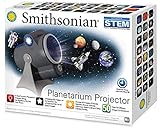
Perfect for older elementary kids ready to dive deep into astronomy. This dual projector system transforms bedrooms into personal observatories, making constellations feel real and tangible—exactly th
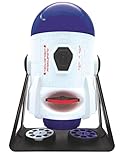
A wonderful bridge between younger and older kids, this 2-in-1 projector grows with your child. The mix of constellations and images keeps stargazing fresh and exciting, making it ideal for families w

If your child loves getting their hands dirty with projects, this hands-on kit is magic. Building and painting their own mini-planetarium creates ownership and pride—they'll want to show everyone what
A planetarium projector puts the night sky on your ceiling and your kid in control. No subscriptions, no screens, no waiting for clear skies. Just a dark room, a button, and suddenly your child is staring up at constellations, planets, and deep-space objects they've only read about. It's hands-on astronomy that actually works.
Most planetarium toys are cheap plastic that project blurry dots. Skip those. The ones worth buying let kids adjust focus, rotate the sky, identify specific constellations, and sometimes even learn the stories behind them. Your child becomes the astronomer here—they're operating real equipment, making decisions about what to look at, and asking genuine questions about what they're seeing. That's the opposite of passive. It builds the kind of observational skills that matter in science, plus it's the rare toy that doesn't feel like a waste of money after two weeks.
Age Recommendations
Ages 5-6: Start with hands-on building kits like solar system projects. At this age, children learn best through tactile exploration, painting, and creating. These kits build fine motor skills and spark curiosity about space in a playful way.
Ages 7-8: This is the perfect sweet spot for projector planetariums! Kids this age can understand constellation names, follow more complex information, and appreciate the 'wow factor' of seeing the night sky indoors. Their attention span and curiosity make this deeply engaging.
Ages 9+: Older elementary kids are ready for dual-projector systems and more advanced features. They'll dive deep into astronomical knowledge, create their own stargazing routines, and may even start tracking real constellations outdoors. These toys grow with their expanding interests.
Our Recommended Products
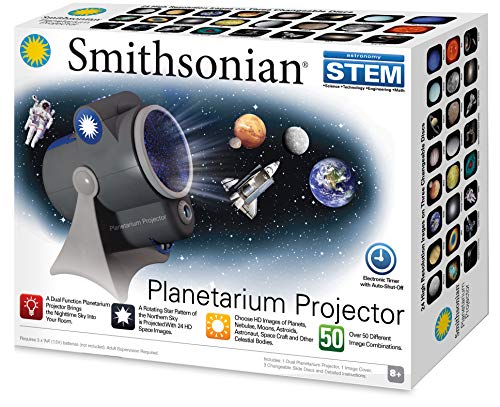
Explore the Stars with This Planetarium Kit
Smithsonian Optics Room Planetarium and Dual Projector Science Kit brings the wonder of the night sky right into your home! With 24 HD images of space, including breathtaking planets and mystifying nebulae, our kids will dive into a world of discovery and imagination. Not only does this kit make learning about astronomy fun, but it also enhances critical thinking and spatial awareness as they explore over 50 different image combinations. Plus, it doubles as a nightlight, providing a soothing ambiance for bedtime adventures!
Explore the Stars with This Planetarium Kit includes 24 HD images of space, turning your living room into a celestial wonderland that ignites curiosity and peaceful bedtime routines.

Explore Space with Lexibook Planetarium Projector
Lexibook, 2-in-1 Constellations and Images Planetarium Projector is a fantastic way for our kids to embark on a cosmic adventure right from the comfort of home. It sparks curiosity about the universe while teaching them the names of constellations and their stories. We all know how important STEM skills are, and this projector combines fun and learning beautifully, nurturing our little ones' fascination with space science. With 24 stunning images of historic space explorations and a motorized projection feature, our children's imaginations are sure to soar as they explore the wonders of the universe on their ceilings and walls!
Explore Space with Lexibook Planetarium Projector projects 24 stunning images that turn any room into a starry night, sparking curiosity and cosmic adventures right at home.

Solar System String Lights Adventure
The 4M Solar System String Lights kit invites kids to build and paint their own mini-planetarium! This hands-on STEM project not only ignites a passion for astronomy but also enhances fine motor skills as children snap together each planet and personalize their creations. With an informative Solar System poster packed with fascinating facts, we find it easier than ever to spark those curiosity conversations about space with our young learners. Perfect for bedrooms or classrooms, this all-inclusive craft kit combines creativity, science, and fun in one glowing package.
Solar System String Lights Adventure includes a handy Solar System poster packed with fascinating facts, making stargazing a DIY project that fuels both creativity and scientific curiosity.
Educational Value
These planetarium experiences build real, measurable skills while your child is having fun. Exploring constellations develops spatial reasoning—the ability to understand how objects relate to each other in space, crucial for everything from reading maps to eventually understanding geometry. Operating a projector or assembling a kit strengthens fine motor skills and problem-solving as they figure out how things work.
Beyond the science itself, these toys spark curiosity and encourage storytelling. Kids don't just learn facts about stars; they imagine stories about them, ask questions about what they're seeing, and want to learn more. That intrinsic motivation—that genuine desire to understand—is worth more than any memorized fact. You'll notice your child engaging in deeper, more focused play, asking better questions, and developing confidence in their ability to learn about complex topics.