Our Top Picks

A wonderful gift for curious toddlers who love music and discovery. The Mooosical Gears combines shape sorting with delightful sounds, perfect for developing fine motor skills while keeping little one

Ideal for toddlers entering the 18-24 month sweet spot. The Learning Resources Hide & Seek Learning Treehouse grows with your child, teaching matching, sorting, and number recognition through interact

A fantastic investment for developing hand-eye coordination and musical appreciation. The Leo & Friends Pound & Tap Bench transforms playtime into rhythm exploration, giving your child the joy of maki

Perfect for toddlers with budding curiosity about the natural world. The Insects & Bugs Playset introduces nature exploration through tactile play, encouraging imaginative stories and fine motor devel
Between 12 and 24 months, something remarkable happens. Your toddler transforms from a cautious explorer into a curious dynamo—reaching, climbing, testing, questioning. This is the sweet spot where play becomes the most powerful teacher you have.
The toys on this page aren't just ways to keep little hands busy (though they do that beautifully). They're carefully chosen tools that meet your child exactly where they are developmentally. A shape sorter isn't just about fitting pieces through holes—it's your child discovering cause and effect, building problem-solving muscles, and gaining that incredible feeling of accomplishment when it clicks into place. A soft building block becomes an architect's first blueprint. A musical toy transforms into a scientist's laboratory for sound and rhythm.
What makes this age so special is that learning feels effortless to your child. There's no pressure, no worksheets—just the pure joy of discovering how things work. When you choose toys designed with these developmental milestones in mind, you're giving your child the gift of learning through play, the way nature intended. And for grandparents, these are the toys that create those golden memories: watching your grandchild's face light up with genuine discovery.
Age Recommendations
12-15 Months: Your toddler is becoming more mobile and curious about how things work. Choose toys that encourage cause-and-effect learning, like musical toys and simple shape sorters. Sensory play with different textures builds brain connections. Lightweight balls and push toys support developing gross motor skills as they refine their walking.
16-18 Months: This is when color and shape recognition really takes off. Your child can now stack and sort with purpose. Toys that combine multiple skills—like activity centers with buttons, slides, and shapes—keep developing minds engaged. Pretend play is beginning, so dolls and figurines become interesting companions.
19-24 Months: Your toddler's coordination and problem-solving have grown remarkably. They're ready for more complex puzzles, interactive play sets, and toys that tell stories. Imaginative play flourishes, so toys that encourage role-playing are wonderful. This is an ideal time for toys that challenge their growing abilities while still feeling achievable and fun.
Our Recommended Products

Sensory Play with Fill & Spill Basket
The Melissa & Doug Multi-Sensory Market Basket Fill & Spill Infant Toy is a delightful introduction to the world of sensory exploration for infants and toddlers. Designed for little hands, this vibrant toy encourages crucial skills like sorting, squeezing, and problem-solving while they engage in imaginative pretend play. The charming assortment of textures and sounds—from the crinkly lettuce to the squeaky carrot—fosters curiosity and fine motor development, making it an ideal choice for parents looking to inspire discovery in their little ones. This educational gem provides hands-on, screen-free fun for babies aged 6 months to 12 months!
Sensory Play with Fill & Spill Basket features vibrant textures and sounds, sparking curiosity and fine motor development while keeping little ones delightfully engaged in hands-on discovery.

Insects & Bugs Educational Playset
The Get Ready Kids Insects and Bugs Playset is a delightful way to introduce little ones to the fascinating world of insects. Ideal for toddlers 12 months and up, this soft plastic set not only sparks imaginative storytelling but also enhances sensory development and early learning about nature. Perfect for homeschooling or daycare settings, these colorful bugs encourage hands-on exploration while supporting fine motor skills as children play.
Insects & Bugs Educational Playset features soft plastic colorful bugs, making it a fun way for toddlers to explore nature while enhancing their storytelling and fine motor skills.

Giant Soft Building Blocks for Little Minds
UNiPLAY Giant Plump Toddler Soft Building Blocks provide a fantastic foundation for cognitive growth and motor skills in children ages 3 months and up. With their vibrant colors and soft materials, these blocks encourage imaginative play and help toddlers learn about balance, shapes, and measurements as they build their creations. Parents and educators will appreciate how these blocks foster collaboration and creativity, making playtime a fun, educational experience.
Giant Soft Building Blocks for Little Minds are vibrant, soft blocks that encourage toddlers to explore balance and shapes while building creations, transforming playtime into an educational adventure.

Delightful Doughnuts for Early Learning
Learning Resources Smart Snacks Stack 'em Up Doughnuts is a playful way for toddlers aged 18+ months to engage in stacking and sorting activities. This vibrant 7-piece set not only stimulates fine motor skills but also enriches color recognition and basic counting, making learning as delicious as a donut! It's an engaging educational tool that parents and educators will appreciate for encouraging developmental growth through hands-on play.
Delightful Doughnuts for Early Learning features a vibrant 7-piece set that turns stacking and sorting into a scrumptious adventure, making essential skills feel just like playtime.

Mooosical Gears for Learning Fun
Mooosical Gears is an engaging musical toy designed for toddlers 18 months and older. This delightful shape sorter encourages fine motor skill development and color and shape recognition, all while fostering sensory exploration through music and interactive play. With its vibrant animals and catchy songs, it’s a joyful learning tool that parents and educators can trust to enhance early childhood development.
Mooosical Gears features vibrant animals and catchy songs that make learning shapes and colors a joyful, musical adventure for little explorers.

Kidoozie Animal Adventure in Learning
The Kidoozie Animal Adventure Truck is a fun-filled journey designed for children 12 months and older. This engaging toy not only captivates young explorers with its lively sounds and friendly animal figures, but it also promotes vital language skills and encourages storytelling. As kids navigate their own safaris, they learn about cause and effect, making playtime both educational and entertaining.
Kidoozie Animal Adventure in Learning features lively sounds and friendly animal figures, turning playtime into an engaging safari of learning that cultivates language and storytelling skills.

Dino Delight: Triceratops Activity Wall Panels
The SPARK & WOW Triceratops Activity Wall Panels provide an engaging way for toddlers aged 18 months and up to explore while playing. This vibrant sensory busy board supports essential developmental skills such as coordination, shape recognition, and descriptive language—all while encouraging independent or small-group play. It’s the perfect blend of interactive wall decor and educational fun that parents can feel good about!
Dino Delight: Triceratops Activity Wall Panels feature vibrant sensory busy boards that invite toddlers to explore and interact. It transforms wall space into a fun learning zone where little ones can develop essential skills while playing independently or with friends. Watching them point out shapes and engage in imaginative dinosaur conversations is not just entertaining—it's a joyful snapshot of childhood discovery at its finest!

Explore Learning with Peekaboo Farm Fun
The Learning Resources Peekaboo Learning Farm is a delightful educational toy perfect for toddlers ages 18 months and up. This playful set, featuring colorful barns and adorable finger puppets, helps develop essential skills like counting, sorting, and fine motor coordination while sparking imaginative play. It’s not just a toy; it’s a gateway to nurturing curiosity and early math skills in our little ones!
Explore Learning with Peekaboo Farm Fun includes colorful barns and adorable finger puppets, making math and coordination feel like an exciting adventure on the farm!

Explore and Learn with Treehouse Fun
The Learning Resources Hide & Seek Learning Treehouse is a delightful educational toy that engages toddlers aged 18 months and up in foundational learning. With its charming tree-shaped design, it encourages matching, sorting, and fine motor skills through play with colorful apples while also introducing concepts of numbers, shapes, and colors. Parents and educators appreciate how this interactive treehouse turns learning into a fun hide-and-seek adventure, fostering curiosity and exploration.
Explore and Learn with Treehouse Fun features colorful apples that transform learning into a playful hide-and-seek adventure, making foundational skills so much more exciting for little ones.

Musical Play with Leo & Friends
The Leo & Friends Pound & Tap Bench with Slide-Out Xylophone is an engaging musical toy for toddlers 12 months and older. This delightful toy doesn’t just make music—it enhances hand-eye coordination, dexterity, and creativity as little ones explore various ways to play. Parents and educators will appreciate how this durable wooden toy not only entertains but also supports essential developmental skills in young children.
Musical Play with Leo & Friends features a slide-out xylophone that transforms music-making into a delightful exploration of sound while developing essential toddler skills.

Sensory Fun with Ball-a-baloos
The Ball-a-baloos 4 Sensory Balls are perfect for little explorers aged 6 months and up! Designed for tiny hands, these vibrant rubber balls engage babies with their delightful textures, sounds, and lights, fostering fine motor skills and hand-eye coordination. Parents and educators will appreciate how these balls encourage sensory play and interaction, making learning a joyful experience for growing minds.
Sensory Fun with Ball-a-baloos features vibrant rubber balls that engage tiny hands, making sensory play a delightful adventure that fosters essential developmental skills.

Splash and Learn with Bluey!
The Tomy Toomies Bluey Bath Puzzle transforms bath time into a fun and educational experience for toddlers 18 months and up. These vibrant foam pieces not only stick to wet tiles for engaging play but also promote fine motor skills and confidence in the water as little ones mix and match Bluey’s outfits. Parents and educators will love how this puzzle encourages creativity while keeping bath time exciting and organized with its handy storage bag!
Splash and Learn with Bluey! features vibrant foam pieces that stick to wet tiles, turning bath time into a magical blend of fun and learning while keeping everything organized.
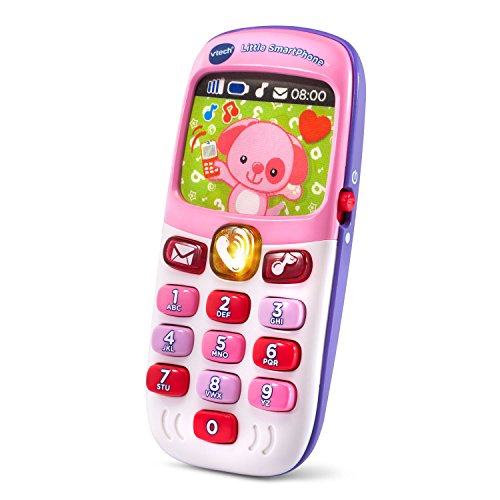
VTech Little Smartphone Fun
The VTech Little Smartphone is a delightful pretend phone designed for toddlers aged 6 months to 3 years. With engaging voice messages, light-up buttons, and a holographic puppy and kitty, this toy sparks imagination while promoting early learning skills such as number recognition, color identification, and auditory development. Parents and educators will love how this interactive tool combines fun and education, guiding little ones in their developmental journey with sing-along songs and cheerful melodies.
VTech Little Smartphone Fun features engaging voice messages and light-up buttons, making early learning feel like a delightful game of pretend while building essential skills.

Colorful Keys for Tiny Explorers
B. toys – LucKeys – Pretend Play Keys invite little ones to embark on imaginative adventures while developing crucial skills! These engaging toy keys enhance sensory exploration and fine motor development through fun sounds and a push-button flashlight, making it easy for tiny fingers to interact. Parents and educators will appreciate how this delightful toy fosters independent play and encourages curiosity in children aged 10 months and up.
Colorful Keys for Tiny Explorers includes fun sounds and a push-button flashlight, making every play session a delightful adventure that sparks curiosity and promotes independent play.

Undersea Learning Adventures Await
The Learning Resources Peekaboo Fishbowl Friends brings the ocean’s wonders right to your toddler’s fingertips! This engaging set of vibrant, countable creatures supports your child’s development in counting, color recognition, and fine motor skills, all while making bath time or water play a delightful learning experience. Designed specifically for little learners aged 18 months and up, these adorable aquatic friends transform playtime into a splashy educational adventure.
Undersea Learning Adventures Await comes with a set of vibrant, countable creatures that make bath time an opportunity for delightful learning. Watching our little ones splash around while discovering colors and counting their new aquatic friends is not just entertaining—it’s genius! Plus, who doesn’t love a toy that turns those soggy moments into splashy educational fun without any cleanup required afterward?

Caterpillar Splash Stackers
The Kids Preferred World of Eric Carle The Very Hungry Caterpillar Bath Time Silicone Stacking Cup Set is a delightful way to make bath time both fun and educational for little ones aged 18 months and up. By encouraging imaginative play and developing essential skills like hand-eye coordination, spatial awareness, and color recognition, this charming stacking set not only entertains but also enriches children's learning experiences, making it a favorite among parents and educators alike.
Caterpillar Splash Stackers are a set of colorful silicone cups that make bathtime a vibrant way for kids to learn while having a splashing good time.

Beach Playtime Learning Adventure
The Hape Fold and Go Beach Toy Set is perfect for toddlers 18 months and up, making beach trips both fun and educational! This engaging playset promotes sensory exploration as little ones dig, mold, and sculpt with their hands, enhancing their fine motor skills and creativity. Designed with safety in mind and convenient portability, parents can confidently foster outdoor learning and imaginative play while enjoying quality time at the beach.
Beach Playtime Learning Adventure is a portable toy set that encourages toddlers to dig, mold, and sculpt in the sand. It transforms a typical beach outing into a hands-on learning experience where kids can explore textures and unleash their imagination. Plus, it gives parents a chance to relax while their little ones are busy creating sandy masterpieces—just be prepared to find sand in unexpected places!

Disney Magic for Little Hands
The Fisher-Price Little People Toddler Toy Disney Mickey Mouse & Friends 6-Piece Figure Set ignites imagination for kids aged 18 months and older. With beloved characters like Mickey and Minnie, this set encourages storytelling and role-play, which are essential for cognitive development and social skills. Perfectly sized for tiny hands, these figures also enhance fine motor skills as children grasp and move them, making playtime both fun and educational.
Disney Magic for Little Hands features iconic characters like Mickey and Minnie, inspiring endless imaginative adventures that naturally foster essential social skills and cognitive development.

My First Farm Training Adventure
BRIO World - 33826 My First Farm is an engaging wooden toy train set designed for children aged 18 months and up. This delightful 12-piece set not only nurtures creativity but also enhances cognitive and motor skills through interactive play with charming animals and a vibrant farm. Perfect for fostering an understanding of their surroundings, this toy guarantees hours of educational fun while being compatible with the entire BRIO railway universe.
My First Farm Training Adventure includes 12 charming pieces that transform playtime into an exploration of the farm, sparking creativity and learning in every little conductor.

Bubbly Learning with Chomp Whale
The Boon Chomp Whale Bath Toy is an enchanting way to bring sensory fun into bath time for children aged 12 months and up. This playful whale not only captures tiny sea creatures but also fosters essential skills like hand-eye coordination and fine motor development in our little explorers. It's a delightful educational companion that encourages imaginative play while making bath time a splash-tastic experience!
Bubbly Learning with Chomp Whale brings sensory fun to bath time while capturing tiny sea creatures, making splashing a delightful way to develop essential skills.

Pastel Wood Activity Cube for Learning
The Small Foot Wooden Toys Pastel Activity Cube is designed for children 12 months and older, providing an interactive and engaging play experience. This eco-friendly, multi-functional cube promotes fine motor skills and dexterity through delightful interactions with colorful animal blocks, making it a fantastic addition to any playroom. Parents and educators will appreciate how this activity set not only entertains but also nurtures developmental milestones in toddlers.
Pastel Wood Activity Cube for Learning is eco-friendly and packed with colorful animal blocks that make developing fine motor skills feel like a joyful adventure in playtime.

On-the-Go Vehicle Puzzle Fun
The B. toys – Vehicles Wooden Peg Puzzle is a delightful introduction to the world of transportation for toddlers 18 months and older. With its vibrant, chunky pieces, this puzzle not only captivates little minds but also enhances fine motor skills, hand-eye coordination, and critical sorting abilities. Parents and educators love it for fostering early learning through play while sparking curiosity about various vehicles, animals, and professions.
On-the-Go Vehicle Puzzle Fun features vibrant, chunky pieces that engage toddlers' hands and minds, turning playtime into a fun-filled learning adventure about transportation.

Itzy Ritzy Sensory Popper Toy
The Itzy Ritzy Sensory Popper Toy for babies is a delightful way to foster sensory exploration and development for children 3 months and up. With its engaging raised textures, this soft silicone toy not only soothes sore gums but also encourages fine motor skills as little ones pop and play. Parents and educators will appreciate how this fidget toy combines comfort, learning, and endless fun for curious minds!
Itzy Ritzy Sensory Popper Toy features engaging raised textures that make it perfect for soothing sore gums while inviting little ones to pop their way into sensory fun.

Cuddly Learning with La Baby Doll
The JC Toys La Baby 16-inch Blue Washable Soft Body Boy Baby Doll is perfect for children aged 12 months and older. This adorable doll encourages nurturing play, helping little ones develop empathy and social skills while they engage in imaginative role-play. With a removable outfit and accessories, children can enjoy hands-on experiences that spark creativity and responsibility, making it an excellent choice for parents and educators alike.
Cuddly Learning with La Baby Doll features a washable soft body, making it perfect for little hands while teaching nurturing through imaginative role-play and responsibility.

Splashing Fun with Stacking Bath Boats
The Nuby 5-Pack Stacking Bath Boats transforms bath time into a vibrant learning experience for little ones aged 9 months and up. These colorful, floating boats not only encourage imaginative play, but also aid in developing fine motor skills and tactile perception as children stack and play. With opportunities for counting and color recognition, parents can feel confident knowing their child is engaged in educational fun during every splash!
Splashing Fun with Stacking Bath Boats includes five vibrant floating boats that turn bath time into an exciting learning adventure, making each splash an opportunity for growth.
Educational Value
During these 12 months, your child's brain is wiring itself for language, coordination, and independence. The right toys accelerate all of it. Shape sorters and puzzles build spatial reasoning—the foundation for math later on. Toys with sounds and colors develop sensory awareness and auditory processing. Push-and-pull toys strengthen gross motor skills as your toddler masters walking and running with confidence.
But here's what really matters: toys that invite sorting, stacking, and problem-solving teach your child they can figure things out. Musical instruments build rhythm and coordination. Fill-and-spill toys develop fine motor control—those tiny finger muscles that eventually hold a pencil. Pretend play toys (animal sets, dolls, play kitchens) spark imagination and social understanding. Each toy on this page is chosen because it speaks to real developmental milestones happening right now in your child's growing brain.