Best Arts & Crafts Activities for Kids (2026)

A good arts and crafts kit does more than keep kids busy — it builds fine motor skills, patience, and the quiet confidence that comes from making something with your own hands. Whether your child is three and squishing dough or nine and hand-stitching felt animals, the right materials make the difference between a project that gets finished and one that ends up in the recycling bin.

We focused on picks that offer genuine creative substance: real tools (not plastic toys pretending to be tools), clear enough instructions that kids can mostly self-direct, and materials that hold up. We skipped anything that was clearly off-topic or mismatched for age. Trade-offs are noted honestly — some of these are messy, some are pricier than they look, and a couple require adult setup.

🧸 Curating learning toys since 2004 Independent picks · no pay-for-placement

Process art vs. kit crafts — why "no wrong answer" matters most

A quiet divide runs through everything in this guide. On one side is process art: open-ended materials with no fixed outcome — a bucket of clay, a tub of dough, a jar of two thousand googly eyes, a pan of washable watercolor. The point is the doing, not the result, and there's no way to get it wrong. On the other side are product (or kit) crafts: a hand-sewing kit, a paint-your-own model, a pressed-flower frame — each aimed at a specific finished object, with steps to follow to get there.

Both earn a place, but they do different jobs. For younger children — roughly three to five — process art is where the value concentrates. Because nothing can fail, it builds confidence, keeps perfectionism from taking hold, and leaves the child in charge of every decision: what color, what shape, when it's done. Product crafts start to click around six, when a child can hold a sequence of steps in their head and genuinely wants a real thing to show for the effort. The common mistake is buying only kits for a four-year-old who isn't ready to follow six steps, or only loose supplies for an eight-year-old who's craving a finished result. Match the type to the age and the temperament — the table below places every pick on that spectrum.

Craft (picks) Where it sits Best age What it builds
Dough, clay & extruders Pure process3+ Hand strength, sculpting, no-wrong-answer confidence
Googly eyes & sticker pads Mostly process3–7 Fine-motor placement, character-making, storytelling
Pan watercolors Open, with real skill4+ Brush control, color mixing, patience
Mess-free paint systems Guided process2–5 Brush grip, cause-and-effect, independent play
Stencils Guided → product4+ Hand steadiness, drawing confidence, pattern sense
Paint-your-own cars Process → product4–10 Painting precision, then a toy to play with
Pressed-flower art Product, with patience5+ Observation, design thinking, delayed gratification
Hand-sewing kit Full product6+ Sequencing, multi-step directions, perseverance

What a scissors-and-glue hour builds that a worksheet can't

Crafting looks like play, but it's dense, practical skill-building — and a lot of it is the groundwork for handwriting and school readiness. Take the fine-motor case first. Squeezing dough and clay builds the hand and finger strength a child later needs to control a pencil for more than five minutes. Peeling a small sticker or placing a googly eye trains the pincer grip. A paintbrush and a crayon-in-a-stencil train the same tripod grip and wrist control as writing. And child scissors are one of the best fine-motor tools there is: cutting along a line forces both hands to work together — one guiding the paper, one opening and closing the blades. That's bilateral coordination, the same skill behind tying shoes and managing a fork and knife.

The executive-function case is less obvious but just as real. A kit craft is a multi-step plan a child has to hold in their head and run in order — thread the needle, then stitch, then tie off — which is working memory and sequencing. Waiting for paint or glue to dry, or for pressed flowers to flatten over several days, is a lesson in impulse control and delayed gratification that few toys teach. Deciding what to make, gathering what's needed, and seeing it through to a finished object is planning and task persistence in miniature. None of it feels like work to the child, which is exactly why it sticks.

Paint & Color

Watercolors, mess-free painting systems, and paint-your-own craft kits — covering toddlers through tweens with different tolerance levels for splatter.

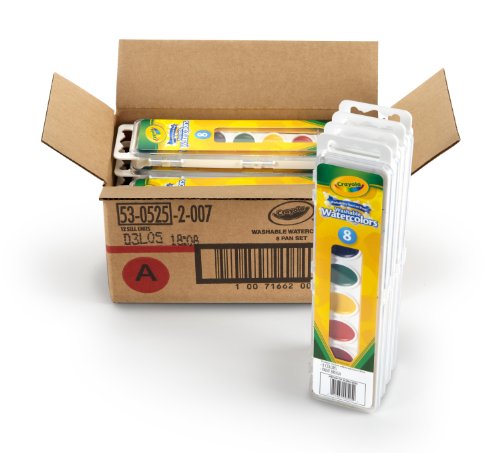
8 Pan Washable Watercolors (12-Pack)
Best classroom-ready watercolor set · Crayola

8 Pan Washable Watercolors (12-Pack)

Twelve individual 8-pan sets means every kid in a small class or sibling group gets their own tray without sharing arguments. Crayola's washable formula genuinely washes out of most fabrics and off skin with water — a real plus for younger painters. Colors are vibrant and re-activate easily with a damp brush. The trays are lightweight plastic that younger kids can knock over, so a non-slip mat helps.

Builds: color mixing · brush control · patience

~$30· See it on Amazon
Color Wonder Magic Light Brush Mess-Free Painting Station
Best for toddlers and carpet-nervous parents · Crayola

Color Wonder Magic Light Brush Mess-Free Painting Station

Color Wonder ink only appears on the special paper, not on clothes, walls, or furniture — which is exactly the promise parents need when handing a two-year-old a brush. The light-up element adds sensory engagement that keeps toddlers at the activity longer than plain paper would. Replacement paper and ink packs are sold separately, which adds ongoing cost. Not for kids who want to mix colors or see rich pigment; this is firmly a mess-prevention tool.

Builds: cause-and-effect thinking · brush grip · color recognition

~$20· See it on Amazon
Color Wonder Paintbrush Pens & Paper
Best mess-free option for ages 2–5 · Crayola

Color Wonder Paintbrush Pens & Paper

A simpler, lower-tech sibling to the Magic Light Brush — just water-activated pens and special paper that stays color-free on any other surface. Kids get a genuine painting experience without the setup of a real paint station. Good for travel or apartment living. Ink runs out faster than you'd expect with enthusiastic painters, so buy a refill pack at the same time.

Builds: fine motor control · color recognition · independent play

~$15· See it on Amazon
Pull Back Dinosaur Race Cars Craft Kit
Best paint-your-own kit for vehicle-obsessed kids · Blue Marble National Geographic

Pull Back Dinosaur Race Cars Craft Kit

Kids paint three wooden pull-back race cars in a dinosaur theme, then actually play with what they made — which is a genuinely clever loop that justifies the craft time. National Geographic's involvement keeps the science framing honest without being preachy. Paint quality is basic, so adult-led color mixing isn't possible, but for ages 4–10 that's fine. Cars are functional pull-back toys once dry.

Builds: painting precision · creative decision-making · pride of ownership

~$13· See it on Amazon

Clay, Dough & Sculpting

Hands-on building with dough and clay develops grip strength and spatial thinking — and is genuinely hard for kids to get bored of.

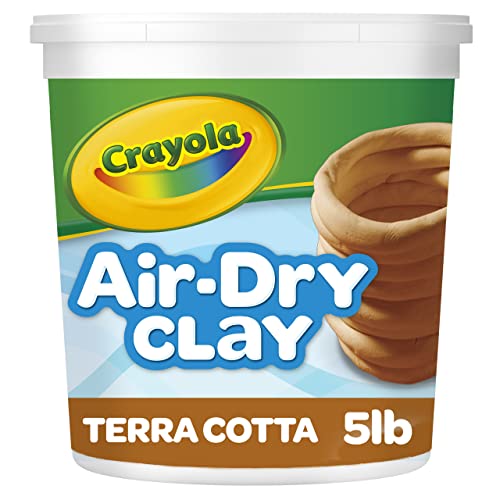
Air Dry Clay (5lb Bucket)
Best bulk clay for open-ended sculpting · Crayola

Air Dry Clay (5lb Bucket)

Five pounds of terra cotta-colored air dry clay in a resealable tub is genuinely good value for the quantity. It air-dries without a kiln, holds detail reasonably well for kid-scale projects, and can be painted once dry. The trade-off: it dries out in the tub if not sealed tightly after every use, and dried-out clay crumbles rather than re-hydrating easily. Works best if you portion out only what's needed per session.

Builds: hand strength · spatial reasoning · imaginative play

~$11· See it on Amazon
Dough - Yellow (3lb Tub)
Best modeling dough for toddlers and preschoolers · Crayola

Dough - Yellow (3lb Tub)

Softer than most store-brand play doughs and easier for small hands to work without frustration. The resealable tub keeps it fresh longer than most dough containers, and the 3lb quantity means multiple sessions before it dries out. It doesn't air-dry permanently like clay, so finished 'sculptures' won't last — manage expectations with kids who want to keep their creations. Available in multiple colors if you want to build a set.

Builds: pinch and grip strength · sensory exploration · color recognition

~$13· See it on Amazon
5-Piece Dough Extruder Set
Best add-on tool for dough play · Generic

5-Piece Dough Extruder Set

Extruders push dough through shaped nozzles to create noodles, stars, and other forms — a satisfying mechanical action that keeps dough play fresh well past the initial novelty. At under $7 for five pieces, it's an easy add-on to any dough or clay purchase. Plastic quality is basic; don't expect these to last years of heavy classroom use. Best for ages 3+ who can manage the squeezing force.

Builds: hand strength · shape recognition · cause-and-effect

~$7· See it on Amazon

Stickers, Stencils & Paper Crafts

Low-prep, low-mess options that still produce real creative output — great for travel, quiet time, or classroom use.

Wiggly Googly Eyes Stickers (2,000 Pieces)
Best bulk embellishment for group crafts · Colorations

Wiggly Googly Eyes Stickers (2,000 Pieces)

Two thousand googly-eye stickers sounds absurd until you run a birthday party craft table or stock a classroom — then it's exactly right. Assorted sizes mean kids can make characters of all scales, from tiny insects to giant monsters. The peel-and-stick backing works reliably. On the downside, small sizes are a choking hazard; not for under-3 without direct supervision. These are a supply, not a kit, so pair with paper, foam shapes, or other materials.

Builds: fine motor skills · creativity · storytelling

~$13· See it on Amazon
Big Box of Fashion, Fairies & Flowers Stencils (32-Piece Kit)
Best stencil set for drawing-interested kids · Buddy & Barney

Big Box of Fashion, Fairies & Flowers Stencils (32-Piece Kit)

Thirty-two large plastic stencils covering fashion, fairy, and floral themes gives kids enough variety to stay engaged across many sessions. Stencils are thick enough to lie flat without curling, which is the main failure point of cheap sets. Works with pencils, crayons, markers, and paint. The theme skews toward kids who like princesses and florals; if your child wants vehicles or dinosaurs, look elsewhere. Genuinely reusable and washable.

Builds: hand steadiness · drawing confidence · pattern recognition

~$19· See it on Amazon
Sticker Wow!™ Mini Activity Pad & 200+ Refill Stickers
Best sticker kit for ages 3–5 · Melissa & Doug

Sticker Wow!™ Mini Activity Pad & 200+ Refill Stickers

At under $6, this is the easiest low-risk gift in the guide — a small activity pad with 200+ stickers kids can use to decorate scenes. Melissa & Doug's paper quality is better than generic sticker books, and the sticker stamper format adds a tactile element that plain sticker sheets lack. It's compact enough for restaurants or waiting rooms. It will be used up; treat it as a consumable, not a lasting toy.

Builds: fine motor skills · creative expression · scene building

~$5· See it on Amazon

Build & Make Kits

Structured projects with a satisfying finished object — from pressed flower art to hand-sewn plushies — that teach process alongside creativity.

Pressed Flower Art Kit
Best nature-meets-craft activity for ages 5+ · 4M

Pressed Flower Art Kit

Kids collect real flowers and leaves, press them, and use them to create artwork — a genuinely different sensory experience from scissors-and-glue crafts. The kit includes pressing boards, adhesive, and display materials so you're not sourcing everything separately. The waiting period (flowers need several days to press) is a real trade-off; kids who want instant results will struggle. Best for patient crafters or adults willing to help manage the timeline.

Builds: patience · observation skills · design thinking

~$17· See it on Amazon
Kids Hand Sewing Kit – 5 Learn-to-Sew Plush Nature Crafts (50 Pieces)
Best introductory sewing kit for ages 6+ · Arteza

Kids Hand Sewing Kit – 5 Learn-to-Sew Plush Nature Crafts (50 Pieces)

Pre-cut felt shapes and blunt needles lower the barrier to real hand sewing without removing the genuine skill-building. Kids produce five finished stuffed animals, which is a meaningful outcome that builds real pride. The instructions are clear enough for most 6–8 year olds to follow with occasional adult help. Thread tangles are inevitable and mildly frustrating — an adult nearby for the first project makes a big difference. Fifty pieces across five projects means decent value per finished item.

Builds: hand-eye coordination · sequencing · perseverance

~$20· See it on Amazon

Getting to "yes": the setup that makes crafts actually happen

Be honest about why craft supplies end up shoved in a cupboard: it's the mess and the cleanup, not the cost. The single biggest thing you can do to craft more is lower the friction of starting and finishing. A few things that genuinely work:

  • Contain the zone. Work on a wipeable surface or a cheap plastic tablecloth, and put a tray under each child so stray beads, eyes, and drips have somewhere to land.
  • Dress for it. An old oversized t-shirt is a free smock — roll the sleeves and stop worrying about the good clothes.
  • Default to washable. For anything under six or so, washable paint and markers turn a disaster into a wet-cloth job; Crayola's washable line rinses out of most cotton with water.
  • Keep a mess-free option on hand. For carpeted rooms, a car, a plane, or a restaurant table, a Color Wonder-style system — ink that only develops on its own special paper — removes the risk entirely, which is the whole reason it exists.
  • Mind the timing. Do the messy stuff before bath time and before you need the table back, not after.

The goal isn't a spotless craft session — it's making the barrier to saying "yes" low enough that you actually reach for the supplies on a wet Saturday.

The part nobody budgets for: refills, consumables & storage

The price on the box is rarely the whole cost. A good share of craft supplies are consumables — they get used up — and the ones that don't still need somewhere to live. Plan for what runs out. Mess-free paint systems rely on special paper and ink that deplete faster than you'd expect with an enthusiastic painter, so buy a refill pack at the same time as the kit. Sticker pads are a one-way trip; treat them as a consumable, not a lasting toy. Dough and air-dry clay have a working life too — dough eventually dries and cracks even when sealed, and air-dry clay is gone the moment it's out of the tub too long. The rule that saves a lot of "but it's empty" disappointment: pair any consumable gift with its refill up front.

Storage is the other half, and most craft frustration a week in is really a missing-pieces problem. Keep each kit's parts together in a labeled zip bag or a small box; give loose supplies — eyes, stencils, brushes — a single caddy or shoebox so they're findable; store stencils and paper flat so they don't curl; and, the important one, seal dough and clay airtight the instant the child is done, not at the end of the day. A five-dollar sticker pad your child can find beats a forty-dollar kit whose pieces are scattered across three rooms.

Match the craft to the kid — and to the occasion

Two six-year-olds can want completely different things from a craft, so buy for the child in front of you rather than the age on the box. The perfectionist and the free-builder need almost opposite things; the reluctant "I'm not artistic" kid needs a mechanical hook, not a blank page.

If your child… Start with Maybe skip (for now)
Gets upset when it doesn't look "right" Open process art (dough, clay, googly eyes) or a guaranteed-good kit (stencils, paint-your-own) A blank page with high stakes
Loves to free-build and hates rules Bulk open supplies — a clay bucket, dough, 2,000 googly eyes Rigid single-outcome kits
Needs a finished thing to be proud of A kit with a real object at the end — sewing plush, pull-back cars, pressed-flower art Loose supplies with no endpoint
Says "I'm not artistic" A mechanical hook — dough extruder, pull-back cars that become toys, a light-up brush Freehand drawing on demand
Can't stand waiting Instant crafts — stickers, dough, watercolor Pressed-flower art (needs several days)
Is the youngest at the table A mess-free paint system Small parts (googly eyes) unsupervised

The occasion matters too. For a birthday party or a classroom, buy in bulk — a 2,000-piece googly-eye pack or a twelve-tray watercolor set stocks a whole table for the price of one boutique kit. For a low-stakes gift or a stocking stuffer, the under-$10 end (a sticker pad, a dough extruder, a tub of dough) rarely misses. Seasons help you choose, as well: pressed-flower art belongs to spring and summer, when there are real flowers to pick; air-dry clay suits indoor winter afternoons and doubles as homemade holiday ornaments; and any mess-free system is the travel craft for a long holiday drive. A craft gift is really a gift of time together — which is what makes it a good one from a grandparent who'd rather not add to the plastic pile.

Frequently asked questions

What arts and crafts can a 6-year-old do on their own?
By six, most kids can handle a surprising amount solo: cutting along a line with child scissors, peeling and placing stickers, working dough and air-dry clay, painting with a pan watercolor set, and tracing with stencils. What still needs an adult nearby is anything with a needle, small parts, or multi-step instructions — the first project of a hand-sewing kit goes far better with someone to untangle thread and demonstrate the stitch. The sweet spot for independence is an open-ended supply (dough, clay, googly eyes, washable paint) plus a clear surface and a smock, so a six-year-old can start, make a mess, and finish without narrating every step to you.
Process art or craft kits — which is better for my child?
Both, for different reasons. "Process art" — open-ended materials with no fixed outcome, like clay, dough, watercolor, or a jar of googly eyes — is where the learning is richest for younger kids: there is no wrong result, so it builds confidence and keeps perfectionism at bay. "Product" or kit crafts, like a sewing kit or a paint-your-own model, give an older child a defined object to be proud of and build the ability to follow multi-step directions. Most kids want a mix. Under six, weight toward process; from six up, kit crafts start to click. The spectrum table above shows where each pick sits.
How do I do crafts at home without the mess taking over?
Solve the mess before you start, because it is the real reason supplies stay in the cupboard. Work on a wipeable surface or a cheap plastic tablecloth, put a tray under each child to contain stray drips and beads, and use an old oversized t-shirt as a free smock. Stick to washable paint and markers for anything young — Crayola's washable line genuinely rinses out of most cotton with water. For carpeted rooms, travel, or a restaurant, a mess-free system like Color Wonder, where ink only develops on its own special paper, removes the risk entirely. And do the messy crafts before bath time, not after.
Are "washable" kids' paints and markers really washable?
Mostly, with caveats. Crayola's washable watercolors and markers are formulated to rinse off skin and out of most cotton fabrics with water and a little soap, and in our experience they live up to it on everyday clothes. What "washable" does not promise is invincibility: dried paint on a delicate or non-cotton fabric, on grout, or left overnight can still stain. Read it as "much easier to clean up," not "impossible to stain" — rinse fresh spills promptly and keep the good clothes out of range.
My child gets upset when a craft doesn't look "right." What helps?
This is common, and the fix is to match the craft to the temperament rather than push harder. For a perfectionist, two things help at opposite ends: open-ended process materials where there is no correct result to fall short of (dough, clay, googly-eye monsters, free watercolor), and structured kits that all but guarantee a good-looking finished object (stencils, a paint-your-own model, a pressed-flower frame). What frustrates this child is the middle — a blank page with high stakes. Narrating your own imperfect attempts out loud ("mine came out lopsided, and that's fine") does more than praise ever will.
What's a good arts-and-crafts gift under $15?
Several here. The Melissa & Doug Sticker Wow! pad (~$5) is the lowest-risk gift in the guide; a dough extruder set (~$7) is a cheap add-on that revives dough play; a bucket of Crayola air-dry clay (~$11) is real value for the quantity; and a paint-your-own pull-back car kit (~$13) gives a vehicle-obsessed kid something to actually play with afterward. For a group or party, the 2,000-piece googly-eye pack (~$13) stocks a whole craft table. Pair any consumable with its refill so the gift doesn't run out in a week.
How do I keep air-dry clay and modeling dough from drying out?
Air is the enemy of both. Air-dry clay hardens permanently once exposed, so portion out only what you'll use in a session and press the rest into an airtight bag or the resealable tub with as little air as possible; once it goes crumbly it won't rehydrate well. Modeling dough is more forgiving — it stays pliable if sealed tightly after every use, and a tub keeps it fresher than a bag — but it will still dry and crack if left out. The habit that saves both: seal it the moment the child is done, not at the end of the day.
At what age can a child start hand-sewing safely?
Around six, with a kit designed for it. Beginner kits use blunt or large-eye needles and pre-cut felt shapes, which removes the sharpest risks while keeping the real skill — threading, running a stitch, tying off. Expect to sit in for the first project: threading the needle and untangling knots is where a new sewer gets discouraged, and a little help there is the difference between a finished plush and an abandoned one. Younger kids (four to five) can start with lacing cards, which teach the same in-and-out motion without a needle.


How we choose — and a word on the links

Educational Toys Planet has specialized in learning toys since 2004. We pick independently, only from established makers, then cross-check every candidate against current availability and the major independent award and expert lists. We don't accept payment for placement.

Affiliate disclosure: the product links here are Amazon Associate links. If you buy through them we may earn a small commission at no extra cost to you — that's what keeps these guides free and updated. Prices change; tap through for Amazon's current figure. Last updated June 2026.

Related guides