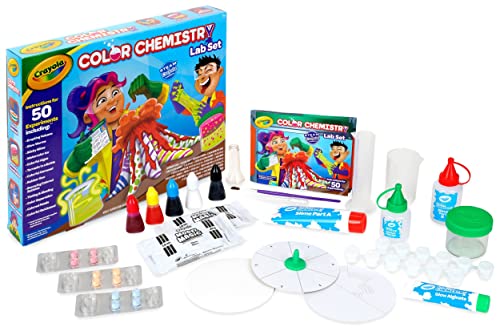
What seven-year-old boys are working on
Shopping well for this age gets easier once you picture what a seven-year-old is actually practicing.
Around seven, reading tips over into fluency — decoding stops eating all his attention, so the
instruction booklet, the challenge cards, and the little learning guide tucked into a science kit
finally work without a grown-up reading every line aloud. A toy that assumes he can follow three
written steps is a toy he can run himself, and self-directed is the whole game at this age.
His thinking is turning concrete and orderly at the same time. He can hold a rule in his head, sort and
classify, and reason through simple if-this-then-that chains — which is exactly why first coding,
snap-together circuits, and logic puzzles suddenly click where a year earlier they'd have frustrated
him. Persistence is the other muscle developing fast: a seven-year-old can sit with a hard problem and
tolerate a wrong turn or two if the payoff feels real. A fossil he has to chip out slowly, or a
Kanoodle puzzle that won't fall on the first attempt, quietly trains that stamina.
He's also forming genuine, durable interests — dinosaurs, space, machines, whole worlds he builds and
rebuilds — plus a real appetite for mastery. Seven-year-olds love rules, collecting, and the feeling of
having done it themselves, which is why the best gift hands him something to be in charge of rather than
something that performs at him. As a rule, the more a toy does on its own, the less your child is doing.
Pick the one that makes him the one figuring it out.
Shop the kid, not the box
The single best filter for a seven-year-old's gift isn't age or gender or price — it's whatever he's
obsessed with right now. Interests at this age run hot and specific: it's not "science," it's sharks,
or volcanoes, or exactly how the garbage truck's arm works. Buy into the obsession and even a quiet toy
gets played to death; buy against it and the flashiest box on the shelf is forgotten by February. So
before you shop, name the current obsession, then pick the thing that lets him do more of it.
If you genuinely don't know what he's into — you're the great-aunt, not the parent — default to the
open-ended anchors (a building set, a coding robot, a good brain-teaser) that meet almost any kid where
he is. The one thing we'd steer clear of is the licensed-character version of whatever's on TV this
month; the interest fades faster than the plastic does.
Where screens fit
Seven is right about when the screen tug-of-war gets real — a tablet, a first game console, a friend
with a phone. We're not going to pretend a wooden puzzle out-thrills a video game; it doesn't, and
that's fine. The useful goal isn't zero screens, it's making sure the make-it-yourself toys keep a real
foothold, because they build things a screen mostly doesn't: fine-motor control, spatial reasoning, and
the patience to fail at something and try it again.
Two things help in practice. First, hands-on doesn't have to mean anti-tech — a coding robot like Artie
is a screen toy in the best sense, using a tablet to make something happen on real paper instead of only
on the glass. That's the kind of tech worth leaning into at seven. Second, the toys that actually
compete with a screen are the ones with a payoff a kid can see: a circuit that lights up, a volcano that
erupts, a marble run he re-engineers until it finally works. Buy for the payoff, keep those toys within
arm's reach, and the screen stops being the only thing in the room that does something.