Our Top Picks
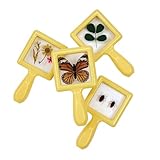
A wonderful first step into scientific exploration! The Interactive Specimen Viewers let your little one discover tiny details with their own eyes, building observation skills and that magical sense o
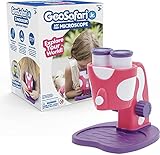
Perfect for preschoolers ready to feel like real scientists. This pink microscope makes kids feel empowered and special while they explore everyday objects in amazing new ways—creating those unforgett

Combines adventure with learning in the most engaging way. Your child becomes a wildlife explorer guided by an inspiring voice, discovering nature while developing critical thinking and a genuine curi

Simple, joyful, and endlessly fascinating for young learners. Magnet wands spark curiosity and problem-solving through play—kids naturally experiment and discover cause-and-effect while having pure fu
What if the best gift you could give a preschooler wasn't something that lights up and makes noise, but something that makes *them* light up? Science toys for preschoolers do exactly that—they turn everyday moments into discoveries. A simple magnifying glass becomes a portal to tiny worlds. A building set becomes an engineering challenge. A specimen viewer transforms ordinary objects into extraordinary finds.
At this age, your child's natural curiosity is at its peak. They're asking "why?" about everything, noticing details you'd miss, and eager to explore. The right science toy channels that beautiful, restless energy into hands-on learning that sticks. These aren't toys that sit on a shelf—they're invitations to play with purpose, where every discovery builds confidence and sparks a genuine love of learning. Whether you're a parent looking for screen-free enrichment or a grandparent wanting to inspire your grandchild, you'll find toys here that make that magical connection between play and growth happen naturally.
Age Recommendations
Ages 18 months – 3 years: Start with simple, sensory-based tools like magnet wands and specimen viewers. At this stage, your little one is developing fine motor skills and learning to focus attention. Toys with bright colors and immediate, satisfying feedback work best. Plan for short, engaged play sessions with you right there to share the excitement.
Ages 3 – 4 years: Your preschooler is ready for slightly more complex toys like child-sized microscopes and interactive learning tools. They're developing real curiosity and can follow simple directions. This is when science toys truly shine—they bridge play and purposeful exploration, making your child feel capable and curious.
Ages 4 – 5 years: Older preschoolers can engage with building sets, photography cameras, and deeper exploration with microscopes. They're developing critical thinking and can sustain longer periods of play. They love feeling like 'real scientists' and benefit from toys that let them make discoveries independently while you cheer them on.
Our Recommended Products

Interactive Specimen Viewers for Young Scientists
The Interactive Specimen Viewers for Kids is an exciting gateway into the world of science for our little explorers! Perfectly sized for tiny hands, these viewers allow toddlers and preschoolers to dive deep into fascinating topics like insect anatomy and plant life. As they hold, turn, and examine specimens such as butterflies and flowers, children are not only gaining a hands-on understanding of science concepts, but also developing critical thinking and observation skills. This educational toy is a fantastic addition to any STEM-focused learning environment, encouraging young minds to ask questions and seek answers.
Interactive Specimen Viewers for Young Scientists features perfectly sized compartments for tiny hands to explore, sparking curiosity and turning every specimen into an adventure in understanding.

Pete The Cat Interactive Learning Fun
The Educational Insights Hot Dots Jr. Pete The Cat - Preschool Rocks Set is an exciting way to engage our little learners! Packed with over 200 interactive lessons across subjects like reading, math, science, and social studies, this set invites kids to learn while having a blast. We love how the interactive pen provides instant feedback, promoting self-guided learning and helping to build critical early skills. Ideal for both homeschool environments and playful learning at home, this set makes learning feel like a fun adventure!
Pete The Cat Interactive Learning Fun boasts over 200 interactive lessons that turn learning into a playful adventure, making education feel like an exciting game rather than a chore.

Big-Time Biology Adventures for Kids
Skill Builders Science - Human Body Big-Time Biology Adventures is a fantastic way for preschoolers to learn about their own bodies! This engaging set invites children as young as 4 years old to explore the names and functions of vital organs, while honing their fine motor skills through hands-on activities, like building a 3-D model and puzzling mazes. Parents and educators will appreciate how it encourages curiosity and foundational knowledge of biology in a fun, interactive way.
Big-Time Biology Adventures for Kids includes hands-on activities like building a 3-D model, making biology as engaging as it is educational—perfect for little explorers!

Fun Pink Microscope for Young Explorers
The Educational Insights GeoSafari Jr. Pink My First Kids Microscope Toy is an exciting gateway into the world of science for preschoolers aged 3 and up. With its 8x magnification and bright LED light, this magnifying tool empowers little explorers to discover the hidden wonders of everyday objects, igniting their natural curiosity and love for learning. Designed with chunky, kid-friendly features, this microscope nurtures fine motor skills and critical thinking—making it a delightful addition to any classroom or home learning environment.
Fun Pink Microscope for Young Explorers features 8x magnification and a bright LED light, allowing kids to uncover the hidden magic in everyday objects while igniting their curiosity.

Engino QBOIDZ: Alligator Adventure Fun
Engino QBOIDZ, Alligator Adventure is an exciting building block set that brings hands-on learning right into your child's playtime! With 62 pieces and five fascinating model options, kids can explore their creativity while enhancing their fine motor skills and spatial awareness. Perfectly designed and safe for young builders, this STEM kit fosters the love of science, technology, engineering, and math through playful challenges and interactive games. Parents and educators will appreciate the rich educational benefits that come alongside imaginative play, making it a perfect addition to any preschool learning environment!
Engino QBOIDZ: Alligator Adventure includes 62 pieces that encourage kids to engineer their own alligator models while sneaking in fine motor and spatial skills without even realizing it!

GeoSafari Jr. Talking Wildlife Camera
The Educational Insights GeoSafari® Jr. Talking Wildlife Camera™ is an exciting adventure for curious kids! With the inspiring Robert Irwin guiding the journey, young explorers can view stunning high-resolution images and soak up fascinating facts about wildlife. This engaging STEM toy not only sparks a love for science but also promotes critical thinking through interactive quiz modes, making learning fun. Perfectly designed for preschoolers, it’s a fantastic way to nurture early interest in biology and photography while boosting their confidence and curiosity about the natural world.
GeoSafari Jr. Talking Wildlife Camera features high-resolution images and engaging quizzes, making science and nature come alive for little explorers while they build confidence and curiosity.

Unlock Magnet Magic with Wand Play
Dowling Magnets Primary Colored Magnet Wand is the perfect tool for sparking curiosity and wonder in our little ones! This vibrant 7.63" wand invites children to explore the fascinating world of magnetism through hands-on play. Whether it’s conducting fun experiments, embarking on scavenger hunts, or bringing creativity to sensory tables, this wand encourages problem-solving and fine motor skills. As parents and educators, we love that it’s not just a toy – it’s an engaging way to introduce science concepts and foster a love for learning in preschoolers!
Unlock Magnet Magic with Wand Play features a vibrant 7.63" design that makes exploring magnetism feel like a magical adventure—who knew science could be this colorful and fun?
Educational Value
Science toys for preschoolers build far more than just science knowledge—they develop the thinking skills your child will use for a lifetime. When your preschooler uses a microscope or specimen viewer, they're practicing observation and noticing details. When they work with building blocks or magnets, they're experimenting with cause and effect, solving problems, and developing spatial reasoning. When they explore with a wildlife camera or nature tools, they're learning to ask questions and think critically.
These hands-on experiences also strengthen fine motor skills, boost confidence, and teach persistence—all while having genuine fun. Preschoolers learn by doing, not by being told. Science toys let them discover answers themselves, which means the learning feels like play to them and actually sticks in their memory much longer than any worksheet ever could.